Table of Contents
1. A bit of history and context
So our story starts with the advent of agriculture…
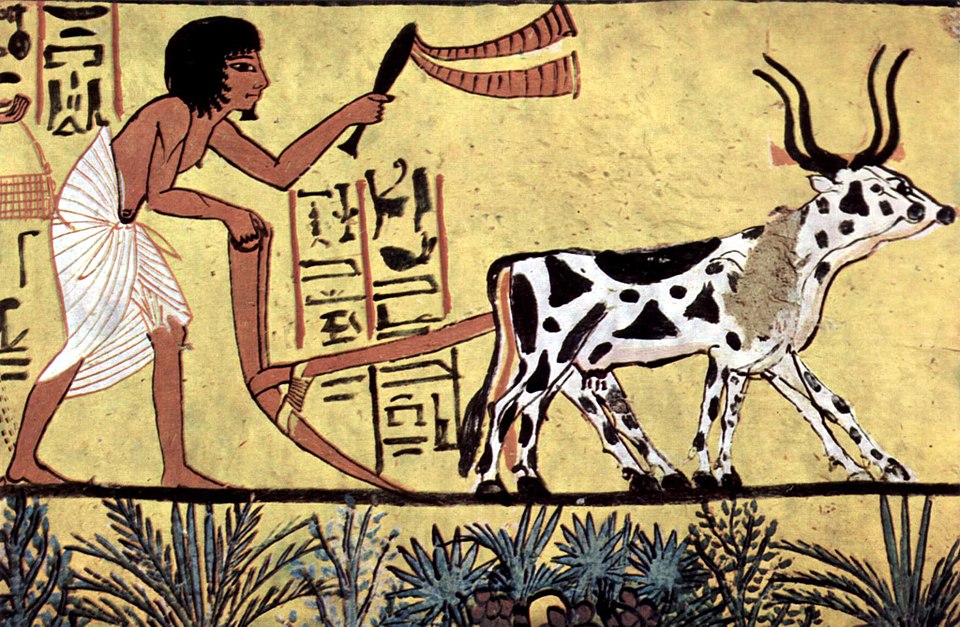
Figure 1: Painter of the burial chamber of Sennedjem (Public Domain) from Wikipedia
At some point in our history, groups of humans began cultivating plants and raising livestock, which lead to staying in a single place.
Which lead to the invention of writing…
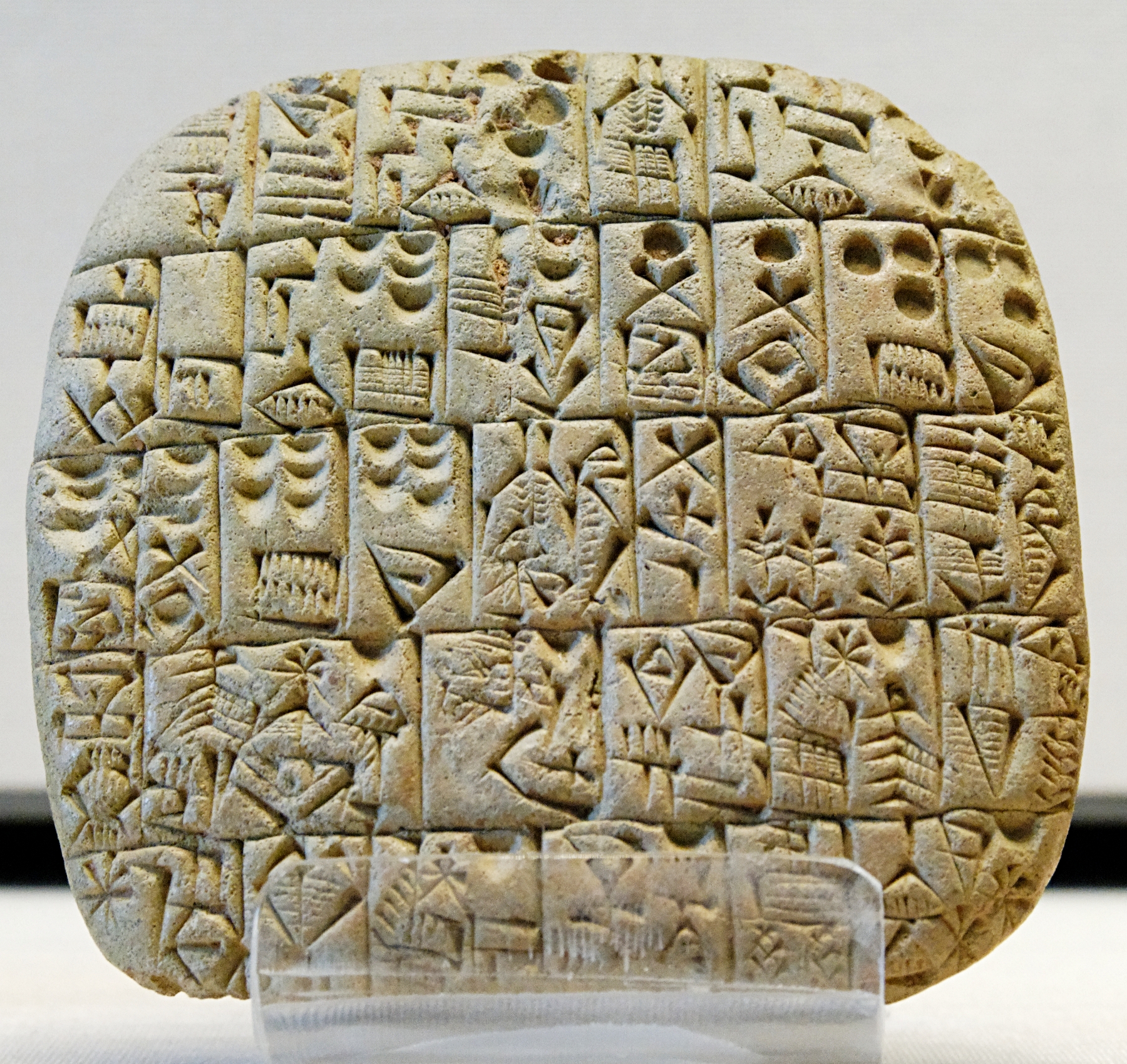
Figure 2: By Unknown artist - Marie-Lan Nguyen (2005), Public Domain, https://commons.wikimedia.org/w/index.php?curid=407203
Which lead to inventory, keeping stock of property, and contracts, and clay tablets for long-term storage of records.
And doing mathematical computations…
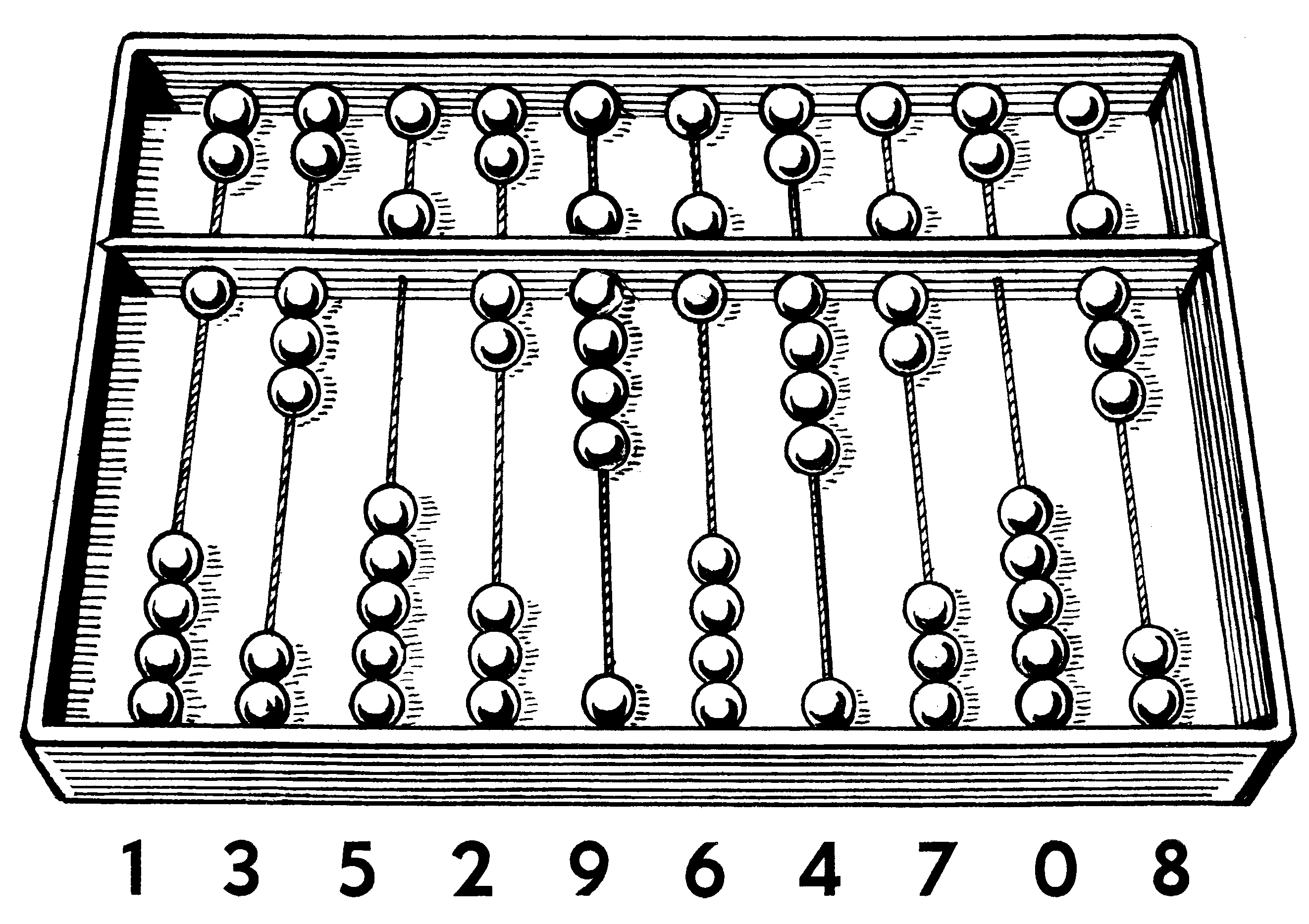
Figure 3: By Pearson Scott Foresman - This image has been extracted from another file, Public Domain, https://commons.wikimedia.org/w/index.php?curid=3503686 (I couldn't find a picture of what a Sumerian abacus looked like.)
And an Abacus for temporary, short-term calculations. (Can't do your math long-form on a clay tablet… I mean you can, but resources are limited and why would you waste a tablet on your long division?)
…And then a bunch of stuff happened…
No electronic calculators, book-based mathematical tables instead…
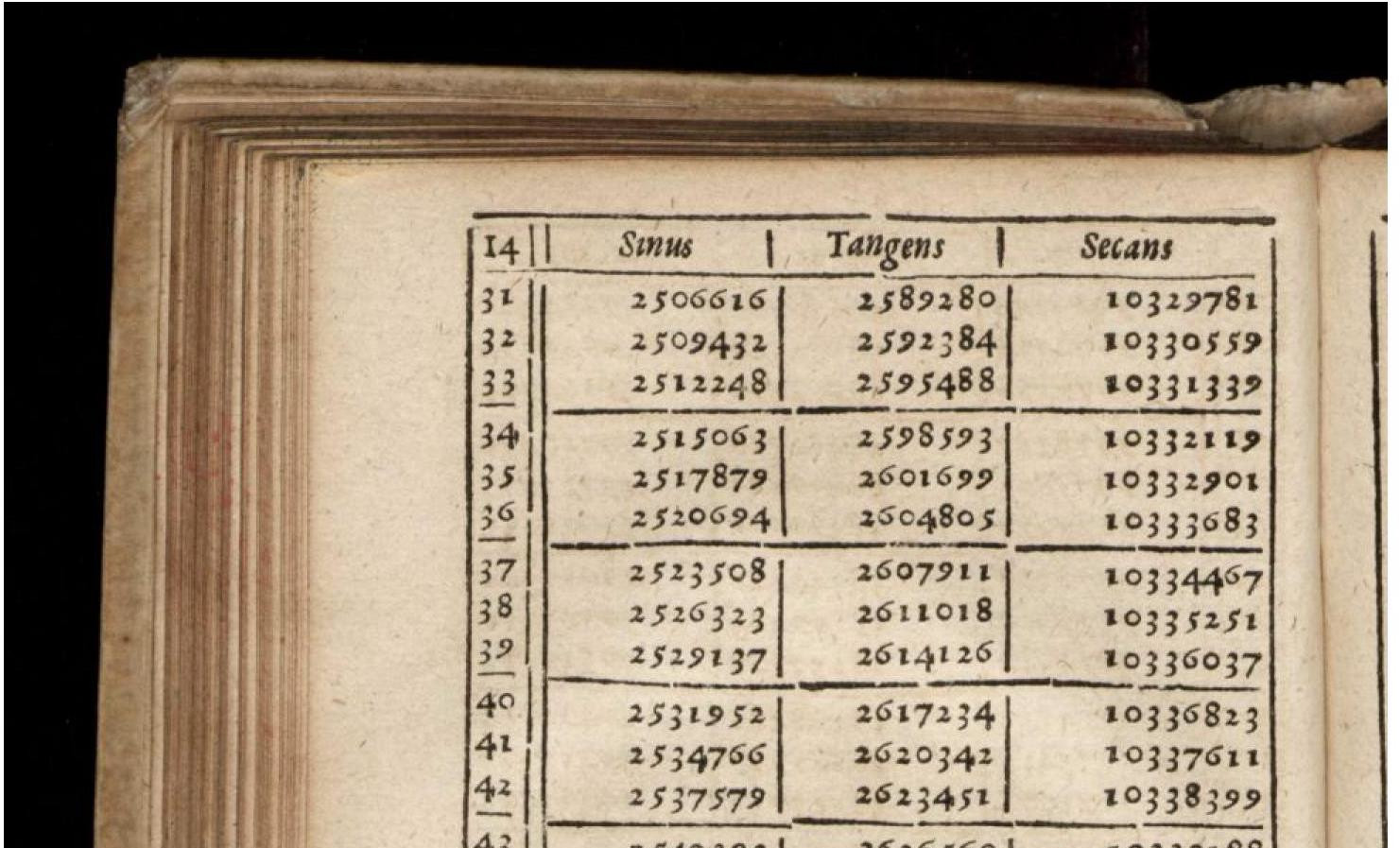
Figure 4: By Matthias Bernegger - Manuale Mathematicum darinn begriffen/ Die Tabulae Sinuum, Tangentium, Secantium: so wol die Quadrat- und Cubictafel: sambt gründlichem vnterricht/ wie solche nützlich zugebrauchen; Allen Baw- und Kriegsverständigen/ Feldmessern/ und andern Kunstliebenden hiebevor in Teutsche Sprach an tag geben / [Von Matthias Bernegger] Anjetzo aber wieder ubersehen/ und auffs New in Truck gegeben Durch Paulum Ledertzen Buvchhändlern zu Straßburg. - Straßburg : Antonius Bertram, 1619, Public Domain, https://commons.wikimedia.org/w/index.php?curid=4066591
Nobody's going to memorize all those equation results! Without electronic calculators, we instead kept books of tables of numbers.
And inventory records, finances, etc. were kept on paper…
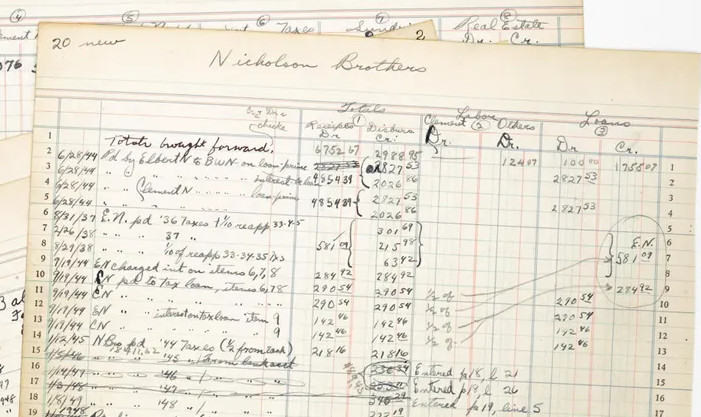
Figure 5: Found on Etsy from TheCloakedFOx
Paper-based spreadsheets before electronic spreadsheets.
Looms were built that used punchcards to program in patterns for weaving…
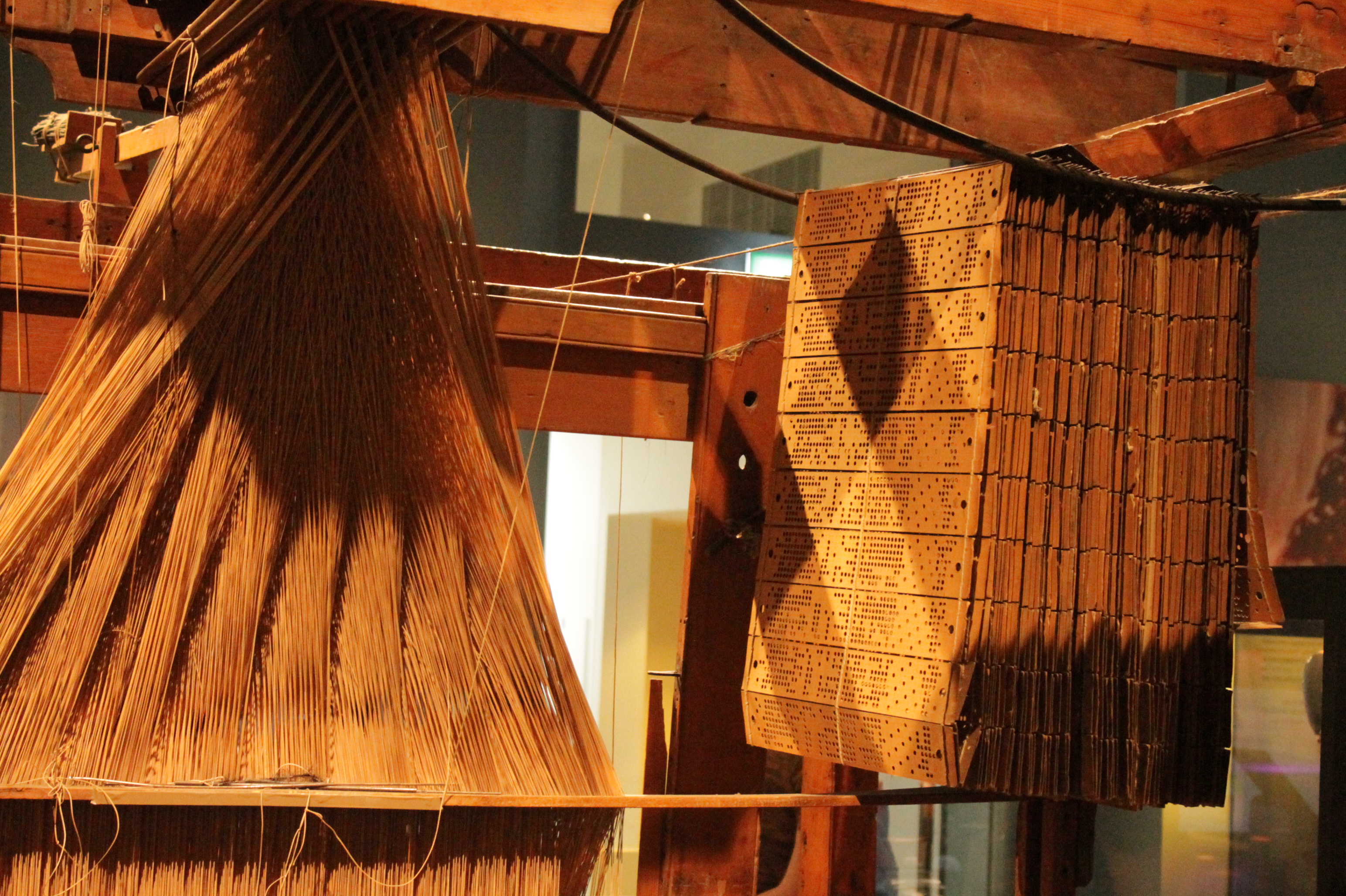
Figure 6: Jacquard Loom - By Stephencdickson - Own work, CC BY-SA 4.0, https://commons.wikimedia.org/w/index.php?curid=79746138
Spoilers - Early computers also used punchcards for instructions.
And patterns can look an awful lot like machine code…
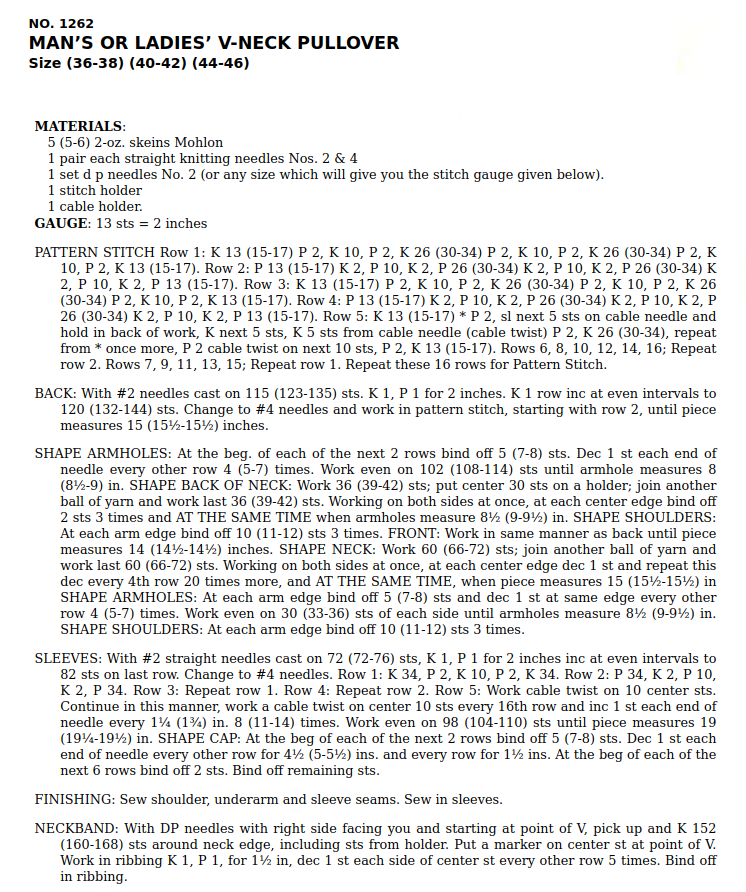
Figure 7: From "Easy to Make Fashions: from Rochelle's Mohlon Orlon Acrylic Fiber. Volume B22." on Project Gutenberg: https://www.gutenberg.org/ebooks/61315
What is crochet but following an algorithm and utilizing some inputs (yarn) to get outputs (a stylish Man's or Ladies' V-Neck Pullover)?
Hey what if we built a machine that used punchcards and did math?
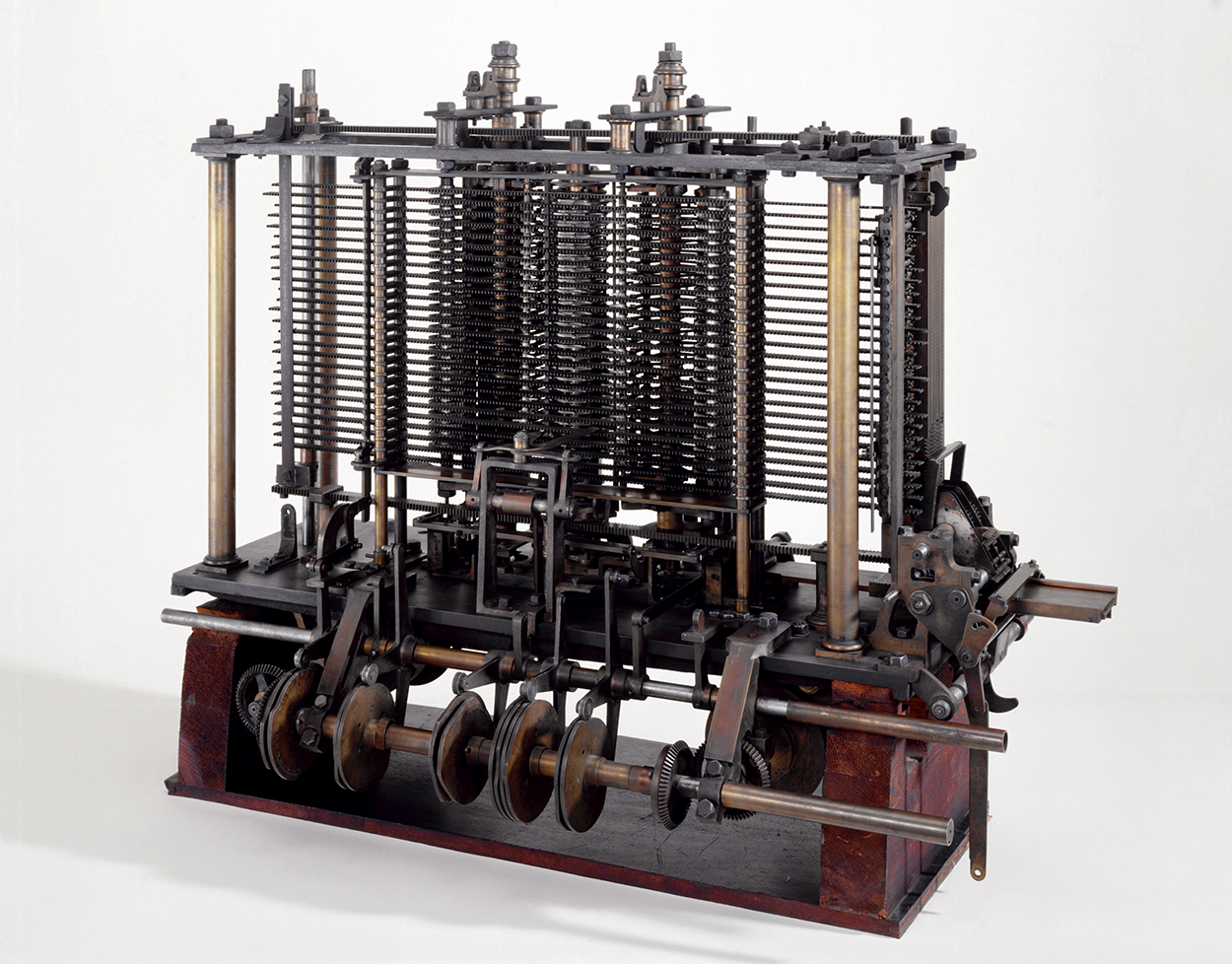
Figure 8: Portion of the calculating machine with a printing mechanism of the analytical engine, built by Charles Babbage, as displayed at the Science Museum (London) By Charles Babbage - Upload by Mrjohncummings 2013-08-28 15:10, CC BY-SA 2.0, https://commons.wikimedia.org/w/index.php?curid=28024313
In the 1800s Charles Babbage built machines for doing tabulations, like the Difference engine. The Analytical engine (above) was conceptualized but never fully built.
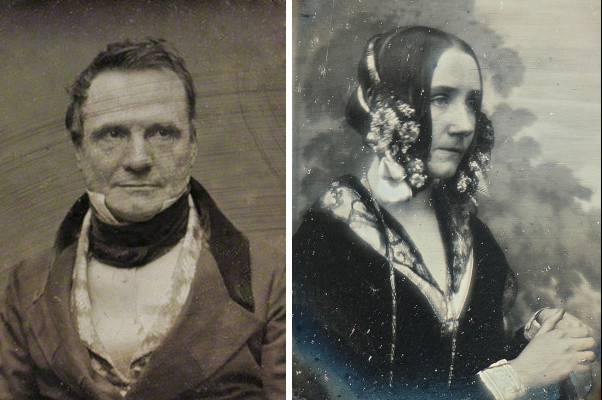
Figure 9: Charles Babbage By Antoine Claudet; Ada Lovelace By Antoine Claudet - National Portrait Gallery, Public Domain, https://commons.wikimedia.org/w/index.php?curid=48042816
Ada Lovelace also helped Babbage with the specifications, such as preparing programs for the machine and saw potential in it beyond just computations.
2. A very brief overview of the evolution of electronic computers
Mainframe computers
1970's IBM vintage computer promotional film (original upload) IBM Mainframe, RAMAC from Computer History Archives Project ("CHAP")
From mechanical machines to electronic machines, early mainframes were used by government, very large businesses, and universities.
Personal computers
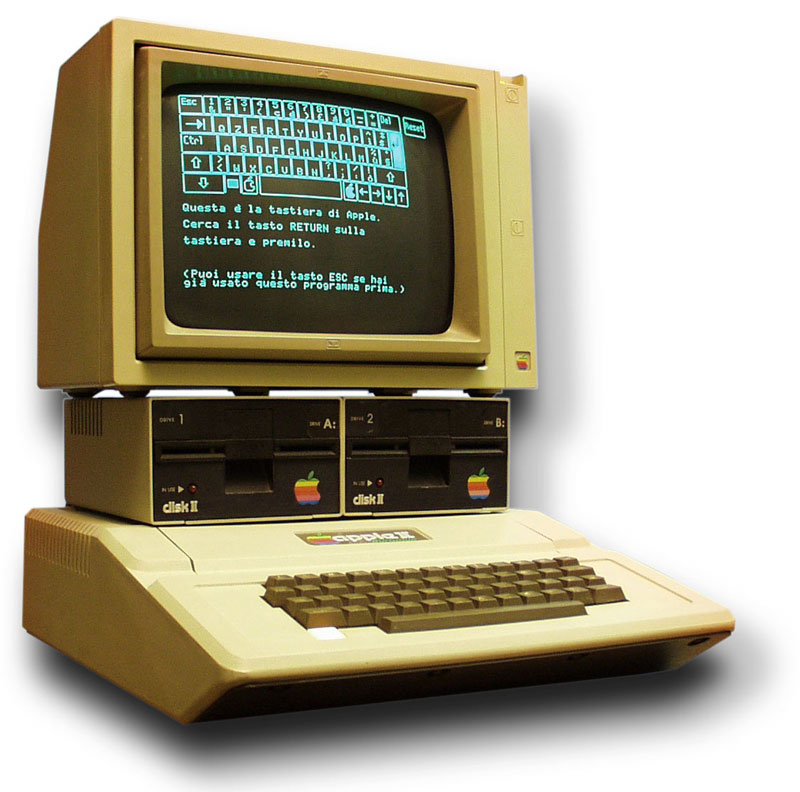
Figure 10: By Original uploader was Hellis at it.wikipedia - Transferred from it.wikipedia, CC BY-SA 3.0, https://commons.wikimedia.org/w/index.php?curid=10539389
In the late 1970s and throughout the 1980s personal computers became more affordable, which increased their popularity for businesses, and some people had them at home for taxes, utility software, and games. :)
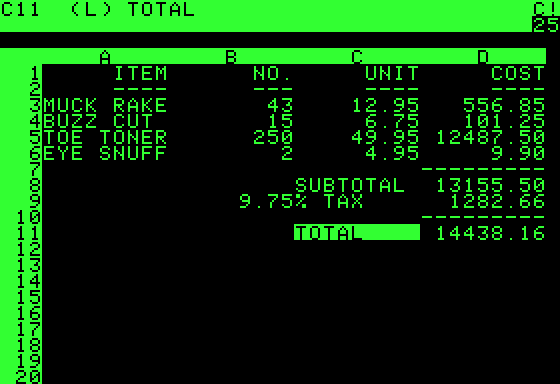
Figure 11: By User:Gortu - apple2history.org, Public Domain, https://commons.wikimedia.org/w/index.php?curid=342925
Even early software sped up daily work tasks… Computations, recordkeeping, and more.
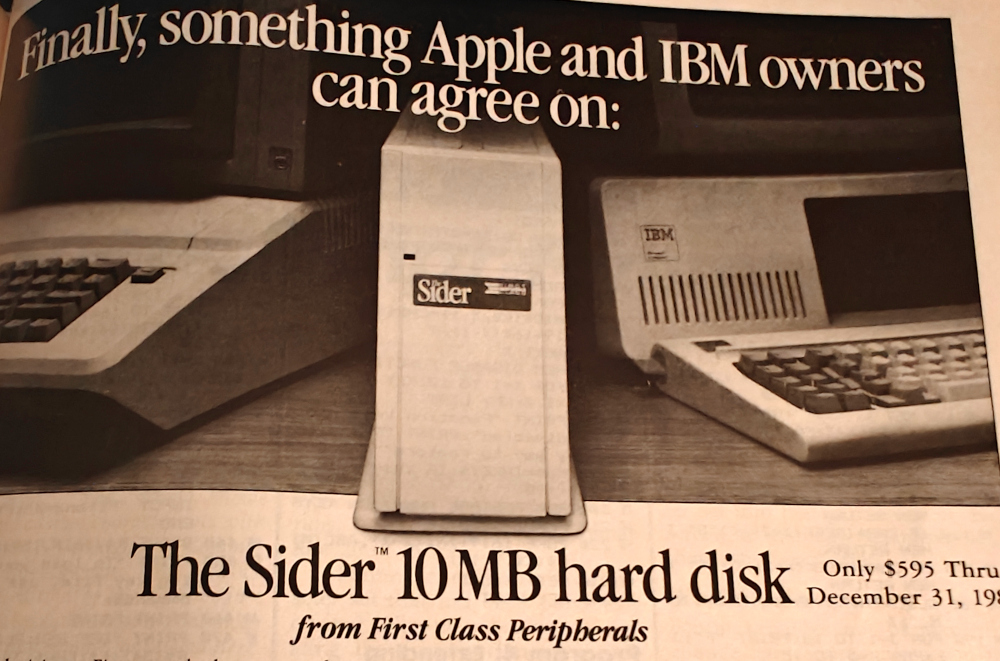
Figure 12: The Sider 10 MB hard disk, only $595.
A lot of early computers didn't have on-board long-term storage like a hard drive. Early media like floppy disks didn't have a lot of space.
Personal Computers and networking grew up side-by-side
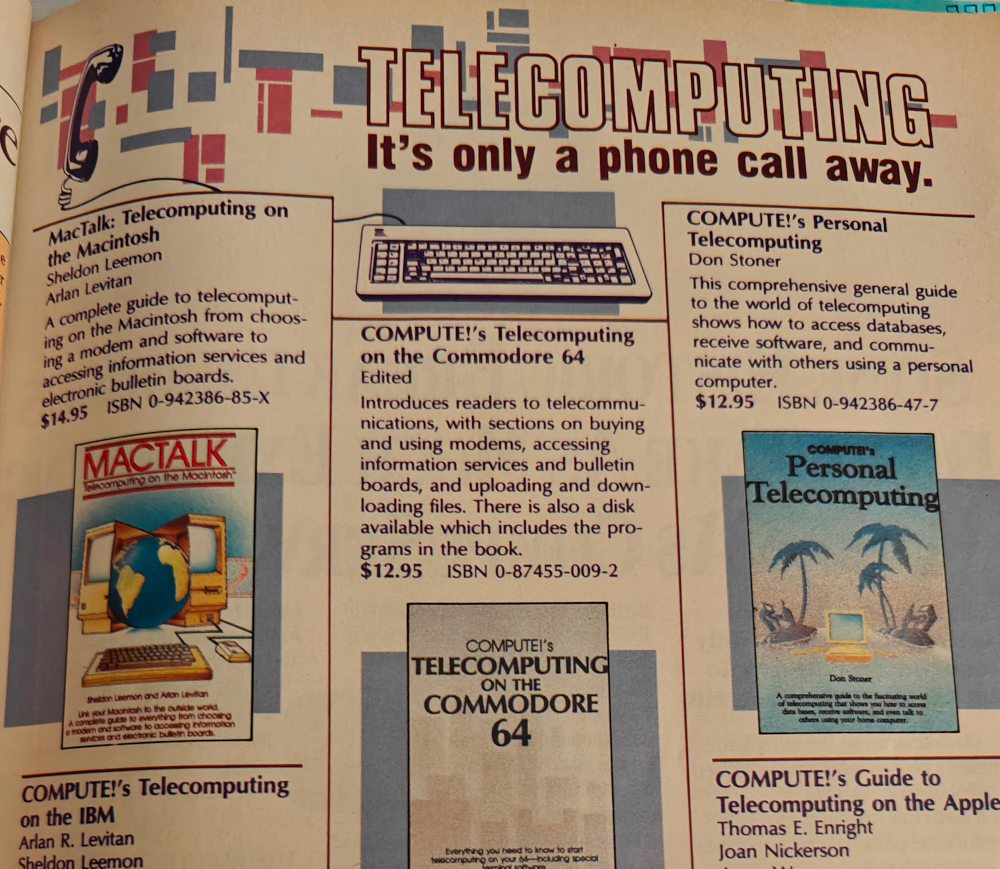
Figure 13: Telecomputing - it's only a phone call away.
Desktop computers continued getting more powerful - more RAM, more hard drive space, more processing power.
Networked computers started on Bulletin Board Systems, with the "The World Wide Web" developing and growing throughout the 1990s.
Cellphones became more common in early to mid 2000s, with smartphones becoming prevalent in the late 2000s.
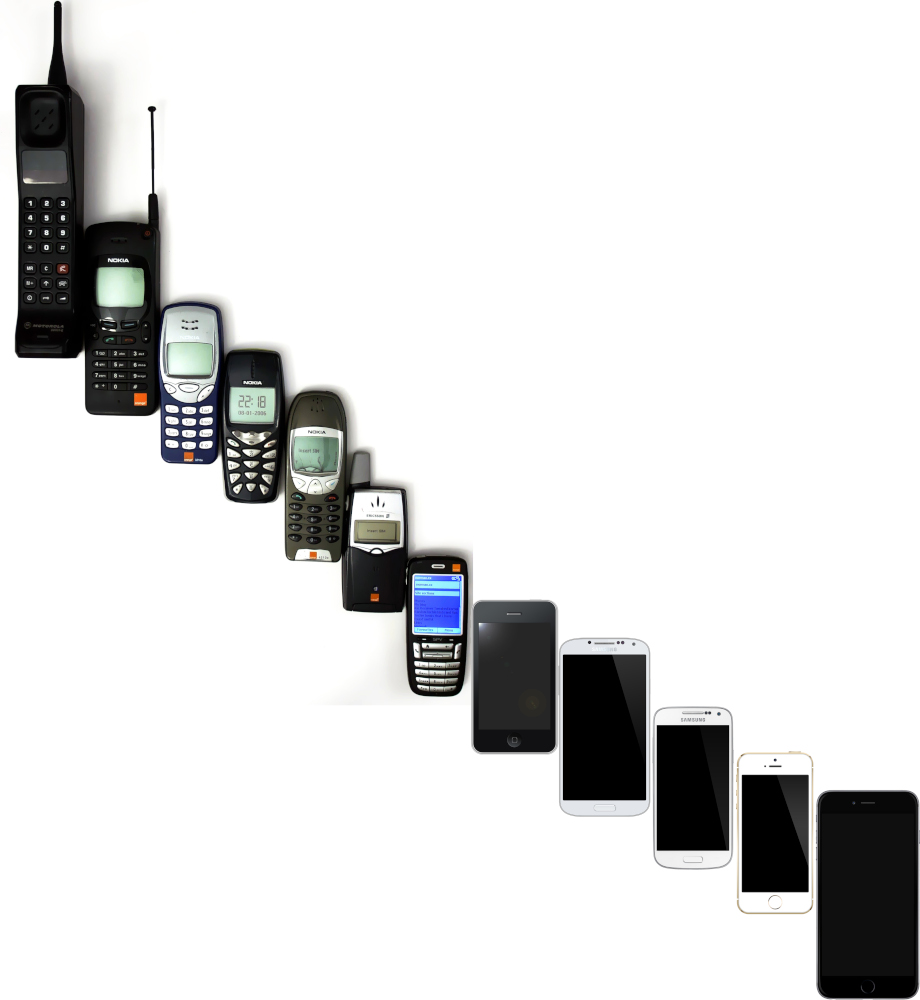
Figure 14: By Jojhnjoy - Own work, based on the work of Anders, Public Domain, https://commons.wikimedia.org/w/index.php?curid=36271517
I miss Snake on the Nokia brick.
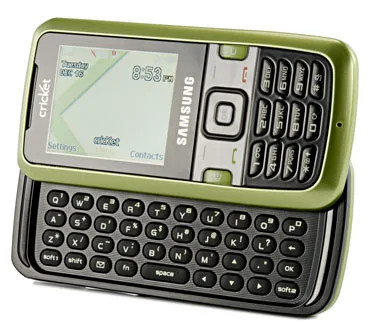
Figure 15: Samsung Messager phone, pulled from the pcmag UK website.
I got my first cellphone while I was a student at UMKC.
Give me back physical keyboards, dangit.
🧓
I was there… I experienced… early web development targeted toward mobile as a developer. (I began working as a dev in 2010.)
See, you'd have "WEBSITE.com", "m.WEBSITE.com" for most mobile devices, and "i.WEBSITE.com" for iPhones…
Anyway…
… What was I wanting to tell you about again? 🤔
3. So about Software Engineering…
My career background is in software and web development, with some independent mobile development and independent game development.
I know not everyone taking this class is planning on going into software development, so… sorry if I ramble. :T
3.1. Some roles in software development
- Software engineer
- Quality Assurance or Software Engineer in Test
- Database Administrator
- DevOps
- IT
- Tech Writer
- Scrum Master
- Business Analyst
3.2. Some types of software development tools
- Code editor
- Compiler
- Project (file) managment
- Source control
- Debugger
- Documentation generator
3.3. Some Software development methodologies
- Waterfall
- Scrum
- Kanban
3.4. Designing software
- Pseudocode
- Flowcharts
- Diagramming - UML (objects/relationships), database diagrams
- Testing
- Integration tests
- Unit tests
- Load & performance tests
- Smoke testing
4. So about Computer Science…
4.1. What is "Computer Science" as a field?
- How computers work, the math behind them and algorithms.
- Not always about software development, but you learn programming languages along the way.
- Sometimes CS programs lack coverage of more real-world tools.
4.2. What kind of classes do you take in Computer Science (i.e., for a Bachelors degree?)
- Math, though some programming fields need a lot of math and some don't. (I wrote a lot of business software/websites; not really any fancy math there.)
- Programming languages - How to code.
- Computer architecture - How is a CPU built? How does it do operations?
- Databases (sometimes an elective) - you should take one.
5. So about using computers…
5.1. Hardware components
- Input devices: Mouse, keyboard, touchscreen
- Output devices: Monitor, speakers, printer
- CPU (processing)
- RAM (short-term storage)
- Harddrive (long-term storage)
5.2. The operating system
- Graphical User Interfaces and Command Line Interfaces
- Filesystem
Emulating old computers:
Check out old operating systems:
5.3. Parts of creating software
- Source code
- Compiling code to an executable
- Running an executable
- Program arguments
- Long-term storage - file saving/loading